Table of Contents
Private Label Clothing MOQ Explained for Brands
Minimum Order Quantity (MOQ) is one of the most misunderstood aspects of private label clothing manufacturing. Many brands assume MOQ is arbitrary—but in reality, it is directly tied to production efficiency, cost structure, and factory operations.
If you misunderstand MOQ, you will either overproduce and lock your cash—or underproduce and face high costs. This guide explains how MOQ actually works in private label clothing and how to use it strategically.
What Is MOQ in Private Label Clothing?
MOQ (Minimum Order Quantity) is the smallest number of units a manufacturer is willing to produce per design, color, or style.
- Defined per product or SKU
- Varies by factory size and capability
- Directly impacts pricing and production planning
MOQ is not a random number—it reflects real production constraints.
Why Factories Require MOQ
Factories do not set MOQ to make things difficult—they set it to remain profitable.
- Machine setup costs (cutting, stitching, printing)
- Labor allocation and efficiency
- Fabric sourcing requirements
- Production line scheduling
Producing very small quantities disrupts efficiency and increases cost per unit.
Typical MOQ Ranges in Private Label Manufacturing
MOQ varies depending on factory type:
- Small workshops: 50 – 150 pieces
- Mid-scale manufacturers: 200 – 500 pieces
- Large export factories: 800 – 2,000+ pieces
MOQ may also apply per color or size, not just total quantity.
MOQ Per Design vs Per Color
This is where many brands get confused.
- MOQ per design → total units across all colors
- MOQ per color → minimum units for each color variant
Example:
- MOQ = 300 pieces
- 3 colors → 100 pieces per color
Understanding this helps avoid unexpected production issues.
How MOQ Affects Cost
MOQ has a direct impact on unit pricing.
- Higher MOQ → lower cost per unit
- Lower MOQ → higher cost per unit
Why?
- Fixed costs are spread over more units
- Production efficiency improves at scale
Related guide:
Egypt Clothing Manufacturers MOQ Pricing Guide
MOQ and Fabric Sourcing
Fabric is one of the main drivers of MOQ.
- Fabric mills often have their own minimums
- Custom fabrics increase MOQ requirements
- Stock fabrics allow lower MOQ
Using available fabrics is one of the easiest ways to reduce MOQ.
MOQ vs Product Complexity
More complex products usually require higher MOQ.
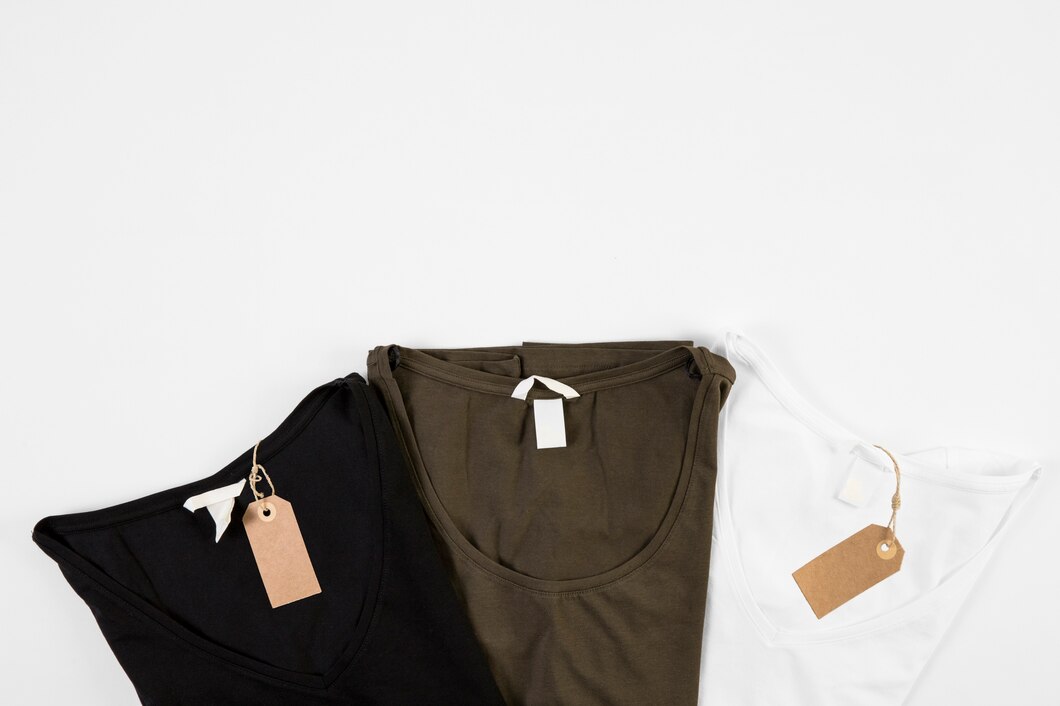
- Basic t-shirts → lower MOQ
- Hoodies and printed garments → medium MOQ
- Complex fashion pieces → higher MOQ
Complexity increases setup time and production cost.
How to Reduce MOQ (Practical Strategies)
You can negotiate MOQ—but only within limits.
- Use stock fabrics instead of custom sourcing
- Reduce number of colors
- Simplify design and construction
- Work with mid-scale factories instead of large exporters
MOQ reduction is about simplifying production—not forcing the factory.
MOQ Mistakes to Avoid
- Choosing MOQ based on budget instead of demand
- Overproducing without market validation
- Ignoring MOQ per color or size
- Trying to force unrealistic low quantities
MOQ decisions should be strategic—not emotional.
MOQ vs Inventory Risk
MOQ directly affects your inventory risk.
- High MOQ → lower unit cost, higher risk
- Low MOQ → higher cost, lower risk
You need to balance cost efficiency with market validation.
MOQ for Startups vs Scaling Brands
Startups
- Focus on lower MOQ
- Test products before scaling
Scaling Brands
- Increase MOQ to reduce cost
- Optimize production efficiency
Your MOQ strategy should evolve as your brand grows.
MOQ and Production Timeline
MOQ also affects lead time.
- Low MOQ → faster production
- High MOQ → longer production time
Large orders require more planning and production capacity.
How to Choose the Right MOQ
To determine your ideal MOQ:
- Estimate realistic sales volume
- Calculate your budget and cash flow
- Balance cost vs risk
- Align with your production strategy
There is no “perfect MOQ”—only what fits your business stage.
Why Egypt Offers Flexible MOQ Options
Egypt’s manufacturing ecosystem supports different MOQ levels:
- Small workshops for low MOQ
- Mid-scale factories for balanced production
- Large factories for high-volume export
This flexibility makes Egypt suitable for both startups and scaling brands.
Related Manufacturing Guides
Understand the full process:
- How Private Label Clothing Works
- Private Label Clothing Cost Breakdown
- Private Label Production Timeline
Why Work With La Reine
La Reine helps brands optimize MOQ based on product type, budget, and growth stage.
- Flexible MOQ options
- Production planning support
- Cost optimization strategies
- Reliable manufacturing partners
Plan Your Production Quantity Strategically
MOQ is not just a limitation—it is a strategic tool. Understanding how it works allows you to control cost, reduce risk, and scale efficiently.
Request a quote to receive MOQ recommendations, pricing, and production planning tailored to your brand.
0 Comments