
Table of Contents
How To Import Women's Clothing from Egypt Guide
Importing women's clothing from Egypt has become a strategic move for fashion brands looking for competitive pricing, reliable production, and faster delivery to Europe and international markets.
This step-by-step guide explains how to source clothing manufacturers in Egypt, understand pricing and MOQ, manage production, and handle shipping and logistics.
If you're new to sourcing, start by understanding how to evaluate suppliers in our guide on choosing a reliable clothing manufacturer in Egypt.
Why Import Women's Clothing from Egypt?
- Competitive manufacturing costs
- High-quality cotton and textiles
- Strategic location for Europe and US markets
- Trade agreements that reduce import duties
Egypt is especially strong in women's casual wear and ready-to-wear production.
Step 1: Define Your Product Requirements
Before contacting suppliers, clearly define:
- Product category (dresses, tops, sets)
- Target price range
- Estimated order quantity
- Quality expectations
This ensures accurate quotations and smoother communication with manufacturers.
Step 2: Find Clothing Manufacturers in Egypt
You can find suppliers through:
- B2B platforms
- LinkedIn outreach
- Trade shows
- Export agents and sourcing companies
However, finding suppliers is only the first step. Choosing the right partner is critical for long-term success.
How to Choose a Reliable Manufacturer
When selecting a clothing manufacturer in Egypt, evaluate:
- Export experience
- Product specialization
- Production capacity
- Communication quality
A structured evaluation process reduces risks and ensures consistent production quality.
Step 3: Understand MOQ and Pricing
MOQ (Minimum Order Quantity) and pricing are key factors in your sourcing decision.
- Low MOQ → higher cost per unit
- High MOQ → lower cost per unit
To understand cost structures in detail, read our guide on MOQ and pricing in Egypt clothing manufacturing.
Step 4: Sampling and Product Approval
Before bulk production, request samples to evaluate:
- Fabric quality
- Stitching and finishing
- Fit and sizing
Sampling ensures your final product meets expectations.
Step 5: Choose Production Model (Private Label vs OEM)
You need to decide how your products will be manufactured:
- Private Label: custom branding and design
- OEM: standard designs with minimal customization
If you're building a brand, explore our guide on private label clothing manufacturing in Egypt.
Step 6: Production and Quality Control
Once production starts, ensure:
- Regular updates from the factory
- Quality checks during production
- Final inspection before shipment
Quality control is critical to avoid costly mistakes.
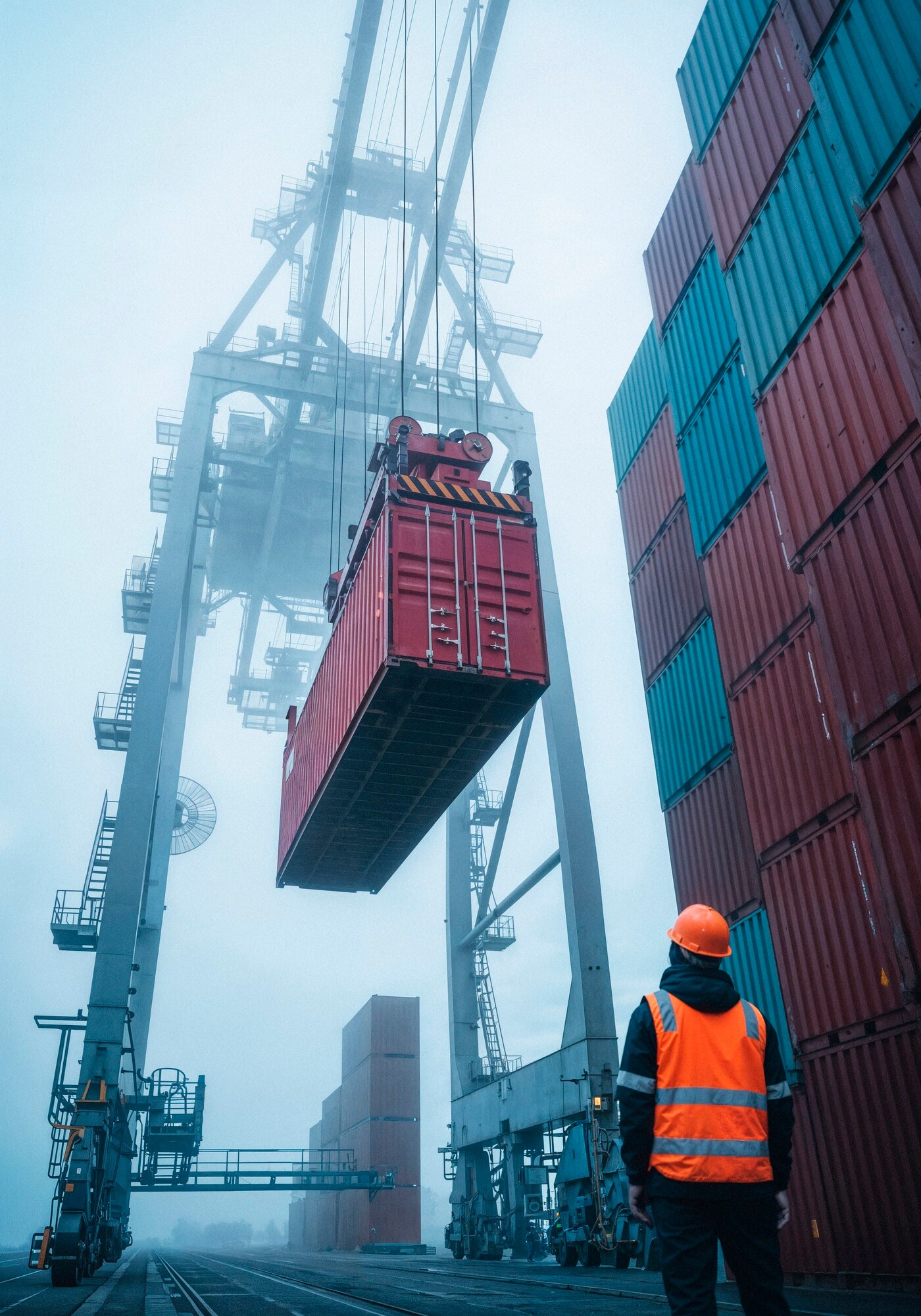
Step 7: Shipping and Logistics
Shipping options include:
- Air freight (fast, higher cost)
- Sea freight (slower, cost-effective)
Shipping time and cost depend on your destination and order volume.
Import Duties and Documentation
When importing clothing from Egypt, you need:
- Commercial invoice
- Packing list
- Certificate of origin
- Shipping documents (Bill of Lading or Airway Bill)
Trade agreements may reduce or eliminate duties depending on your country.
Common Mistakes When Importing Clothing
- Choosing suppliers based on price only
- Skipping sampling
- Ignoring MOQ impact
- Not planning shipping timelines
Final Thoughts
Importing women's clothing from Egypt is a powerful opportunity for fashion brands looking to optimize cost, quality, and speed to market.
By following a structured sourcing and production process, you can build a reliable supply chain and scale your brand with confidence.
Looking to Import Clothing from Egypt?
Working with experienced manufacturers and export partners can simplify the process, reduce risks, and ensure consistent product quality. Just RFQ.
0 Comments