
Table of Contents
How Clothing Is Manufactured: Step-by-Step Process Inside a Factory
Clothing manufacturing is a structured industrial process that transforms fabric into finished garments ready for retail distribution. Understanding how garments are produced helps fashion brands manage quality expectations, control costs, and communicate effectively with clothing manufacturers.
Modern apparel factories follow standardized production workflows designed to maximize efficiency, maintain consistent quality, and reduce material waste. This guide explains the step-by-step clothing manufacturing process inside professional garment factories.
Overview of the Garment Manufacturing Process
Clothing production involves multiple technical stages, each contributing to product quality and cost structure.
- Design development
- Tech pack preparation
- Fabric sourcing
- Pattern making
- Sampling
- Fabric cutting
- Sewing and assembly
- Quality control
- Finishing and packaging
- Shipping
Each stage requires coordination between designers, technicians, and production teams.
Step 1: Design Development and Product Planning
The manufacturing process begins with defining the product concept.
- Design sketches
- Material selection
- Fit concept
- Brand positioning
Clear design direction ensures efficient product development.
Step 2: Tech Pack Preparation
Tech packs communicate technical specifications required for production.
- Garment measurements
- Construction details
- Fabric specifications
- Label placement instructions
Tech pack guide: Tech Packs Explained
Step 3: Fabric Sourcing and Material Selection
Fabric sourcing directly impacts garment quality and cost structure.
- Material composition selection
- Color development
- Fabric testing
Fabric sourcing guide: Fabric Sourcing Guide
Step 4: Pattern Making
Patterns define garment shape and structure.
- Digital pattern development
- Size grading preparation
- Fit accuracy optimization
Patterns ensure consistent sizing across production units.
Step 5: Sampling Process
Samples allow designers to evaluate product fit and construction quality.
- Prototype creation
- Fit testing
- Design adjustments
Sampling reduces risk before bulk production begins.
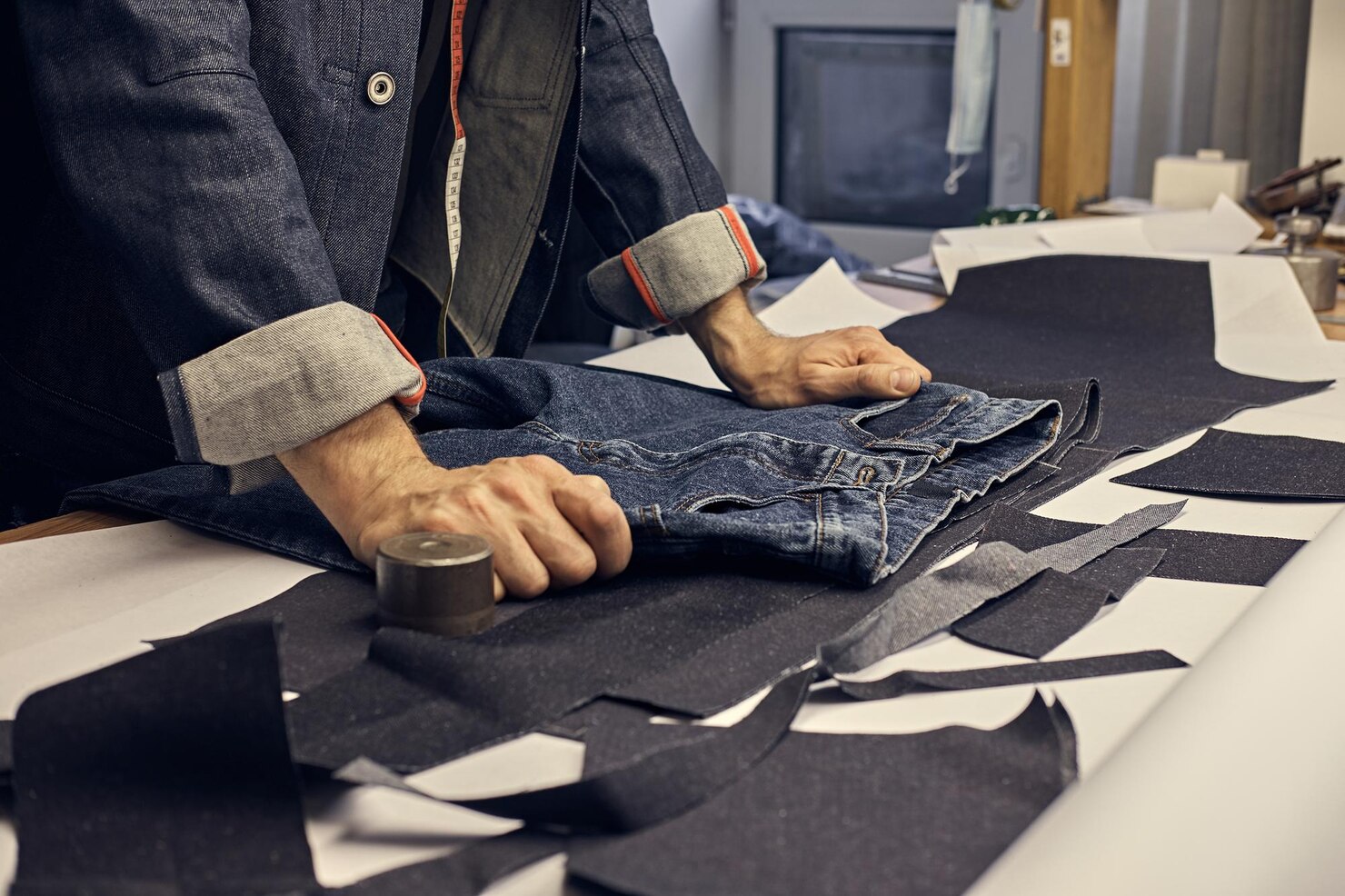
Step 6: Fabric Cutting Process
Fabric cutting prepares material components for sewing.
| Cutting Method | Description |
|---|---|
| Manual cutting | Used for small production runs |
| Machine cutting | Used for large-scale production |
| Laser cutting | High precision cutting method |
Precision cutting reduces fabric waste.
Step 7: Sewing and Assembly
Sewing is the core stage of garment manufacturing.
- Panel stitching
- Component assembly
- Trim attachment
- Structural reinforcement
Production lines are organized to maximize efficiency.
Step 8: Quality Control Inspection
Quality control ensures garments meet production standards.
- Measurement verification
- Stitch quality inspection
- Fabric defect identification
Quality management reduces product return rates.
Step 9: Finishing Processes
Finishing improves garment appearance and readiness for retail.
- Ironing and pressing
- Thread trimming
- Final cleaning
Finishing enhances product presentation.
Step 10: Labeling and Packaging
Branding elements are applied during packaging stage.
- Brand labels
- Care labels
- Hang tags
- Packaging preparation
Packaging supports brand positioning.
Private label explained: Private Label Clothing Guide
Step 11: Final Quality Inspection
Final inspection verifies production accuracy before shipment.
- Measurement validation
- Packaging verification
- Carton inspection
Inspection ensures shipment readiness.
Step 12: Shipment Preparation
Garments are prepared for export after packaging.
- Carton labeling
- Packing list preparation
- Export documentation
Shipping process explained: Shipping Apparel Guide
Factory Production Timeline Example
| Stage | Typical Duration |
|---|---|
| Tech pack preparation | 3–7 days |
| Sampling | 7–21 days |
| Material sourcing | 5–10 days |
| Bulk production | 20–45 days |
| Quality control | 2–5 days |
Production timeline varies depending on garment complexity and order quantity.
Common Manufacturing Methods Used in Clothing Factories
| Method | Best For |
|---|---|
| CMT (Cut, Make, Trim) | Brands providing materials |
| OEM production | Custom manufacturing |
| Private label | Fast brand launch |
Manufacturing method selection affects production complexity.
How Manufacturing Location Impacts Production Efficiency
Production speed and cost structure vary by manufacturing region.
Location strategy influences supply chain performance.
How La Reine Supports Professional Garment Production
Working with experienced manufacturers ensures production accuracy and cost control.
- Structured production workflow
- Quality control processes
- Export-ready manufacturing
- Supplier coordination
Start Manufacturing Your Clothing Collection
Understanding how clothing is manufactured allows brands to manage product quality and production timelines effectively.
Request a customized quotation for apparel manufacturing:
A structured production process improves consistency and scalability.
0 Comments