
Table of Contents
Garment Production Timeline: From Design to Bulk Production
Understanding the garment production timeline is essential for fashion brands planning product launches, seasonal collections, or private label manufacturing. Many delays in fashion businesses occur due to unrealistic expectations about how long clothing production actually takes.
Garment manufacturing involves multiple technical stages including design development, fabric sourcing, sampling, and bulk production. Each phase requires coordination between designers, suppliers, and factories to ensure accurate execution.
This guide explains the full apparel production timeline step-by-step, helping fashion brands estimate realistic lead times and plan manufacturing schedules efficiently.
Overview of the Clothing Production Timeline
Garment production typically takes between 30 and 90 days depending on product complexity, order volume, and fabric availability.
| Stage | Typical Timeline |
|---|---|
| Design development | 3–7 days |
| Tech pack preparation | 2–5 days |
| Fabric sourcing | 5–14 days |
| Sampling | 7–21 days |
| Bulk production | 20–45 days |
| Quality control | 2–5 days |
| Shipping preparation | 3–7 days |
Production timelines vary depending on supplier capacity and garment complexity.
Stage 1: Design Development (3–7 Days)
The first step in garment production is transforming an idea into a structured product concept.
- Define product category
- Create reference sketches
- Select fabric direction
- Determine sizing structure
Clear product direction improves manufacturing efficiency.
Stage 2: Tech Pack Preparation (2–5 Days)
Tech packs provide manufacturers with technical instructions required for accurate production.
- Measurement specifications
- Construction details
- Fabric composition
- Label placement instructions
Tech pack guide: Tech Packs Explained
Clear documentation reduces production errors.
Stage 3: Fabric Sourcing (5–14 Days)
Fabric sourcing influences both production cost and timeline.
- Select fabric composition
- Confirm color availability
- Test material performance
Using readily available fabrics reduces sourcing delays.
Fabric sourcing guide: Fabric Sourcing Guide
Stage 4: Pattern Making (2–5 Days)
Pattern making converts design concepts into production-ready templates.
- Create garment structure blueprint
- Define measurement proportions
- Prepare grading for multiple sizes
Accurate patterns ensure consistent sizing across production batches.
Stage 5: Sampling Process (7–21 Days)
Sampling validates garment design and construction before bulk production.
- Prototype development
- Fit testing
- Fabric performance evaluation
- Design revisions
Sampling ensures product accuracy and reduces manufacturing risk.
Sampling timeline breakdown
| Sample Type | Purpose | Time |
|---|---|---|
| Proto sample | Design validation | 5–10 days |
| Fit sample | Size adjustments | 3–7 days |
| Pre-production sample | Final approval | 5–7 days |
Skipping sampling increases risk of defective bulk production.
Stage 6: Material Preparation (3–7 Days)
Before production begins, manufacturers prepare raw materials.
- Fabric inspection
- Color verification
- Material allocation
Material preparation ensures consistent production quality.
Stage 7: Fabric Cutting Process (2–5 Days)
Fabric cutting transforms raw material into garment components.
- Marker planning
- Fabric layering
- Precision cutting
Efficient cutting reduces fabric waste and controls production cost.
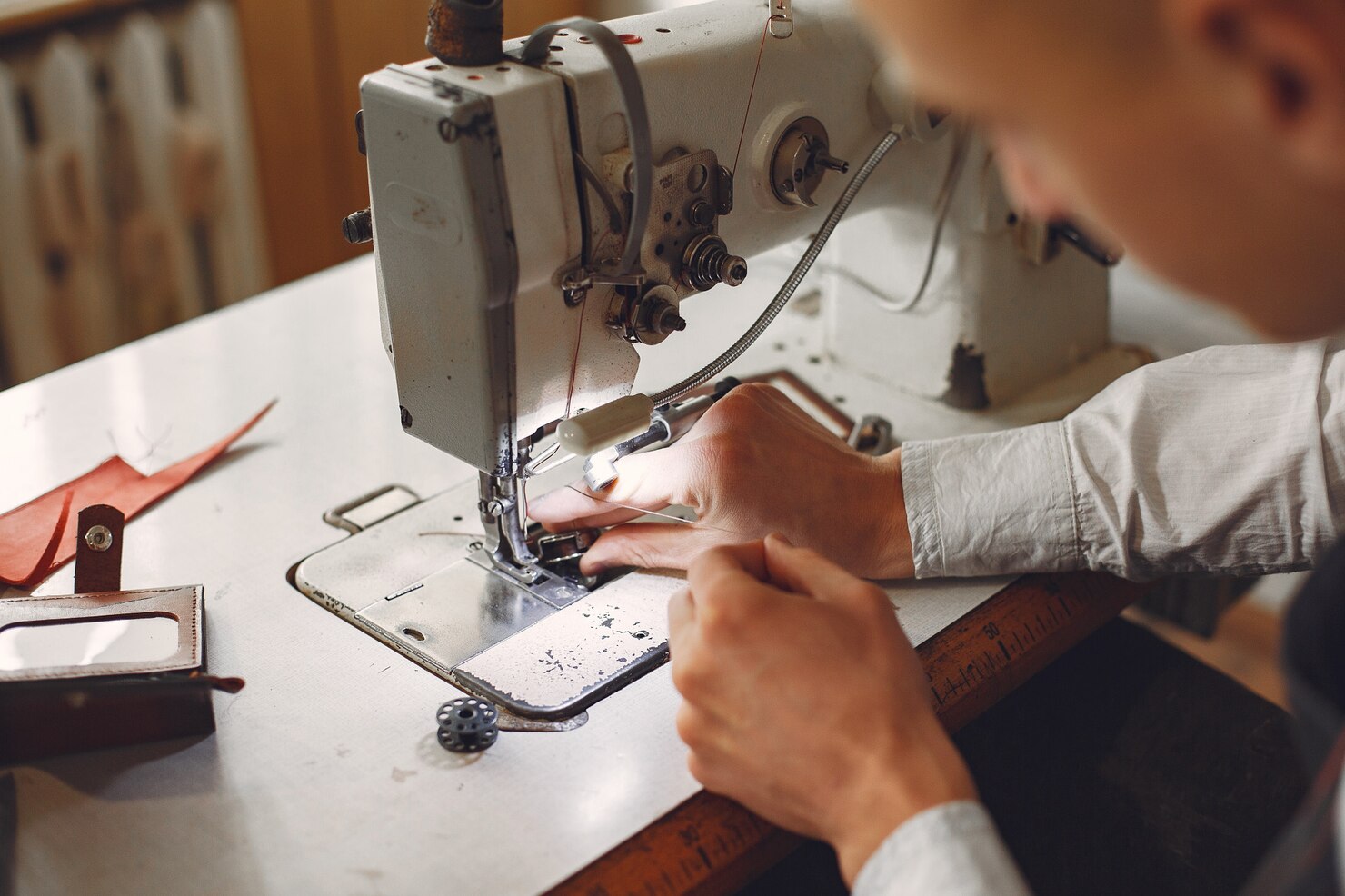
Stage 8: Sewing and Assembly (10–25 Days)
Sewing is the most time-intensive stage of garment production.
- Panel assembly
- Trim attachment
- Structural reinforcement
| Garment Type | Production Complexity |
|---|---|
| Basic t-shirt | Low |
| Blouse | Medium |
| Structured dress | High |
Production time increases with garment complexity.
Stage 9: Quality Control Inspection (2–5 Days)
Quality control ensures garments meet technical specifications.
- Measurement accuracy
- Stitch durability
- Fabric inspection
Quality control reduces return rates and protects brand reputation.
Stage 10: Finishing and Packaging (3–7 Days)
Finishing prepares garments for shipment.
- Ironing and pressing
- Label attachment
- Packaging preparation
Private label process explained: Private Label Clothing Guide
Stage 11: Shipping Preparation (3–7 Days)
Final production stage includes shipment preparation.
- Carton labeling
- Packing list preparation
- Export documentation
Shipping guide: Shipping Apparel Guide
Total Production Timeline Example
| Phase | Estimated Duration |
|---|---|
| Product development | 7–14 days |
| Sampling | 10–21 days |
| Production | 20–45 days |
| Finishing and shipping | 7–14 days |
| Total timeline | 45–90 days |
Timeline planning ensures predictable product launch schedules.
Factors That Affect Production Timeline
- Fabric availability
- Garment complexity
- Order quantity
- Manufacturer capacity
- Design revisions
Production planning reduces delays and improves efficiency.
How to Reduce Production Delays
- Prepare detailed tech packs
- Choose available fabrics
- Confirm MOQ requirements early
- Approve samples quickly
- Plan production calendar in advance
Structured preparation improves production speed.
Manufacturer selection guide: Find Reliable Manufacturer
How La Reine Supports Efficient Production Timelines
Working with experienced manufacturers ensures production schedule accuracy.
- Structured workflow management
- Reliable supplier coordination
- Quality control procedures
- Export-ready manufacturing
Plan Your Production Timeline with Confidence
Understanding garment production timelines allows brands to plan inventory, marketing campaigns, and product launches more effectively.
Request a customized quotation based on your production schedule:
Proper planning improves manufacturing efficiency and reduces operational risk.
0 Comments