Table of Contents
Clothing Printing and Embroidery in Egypt Guide
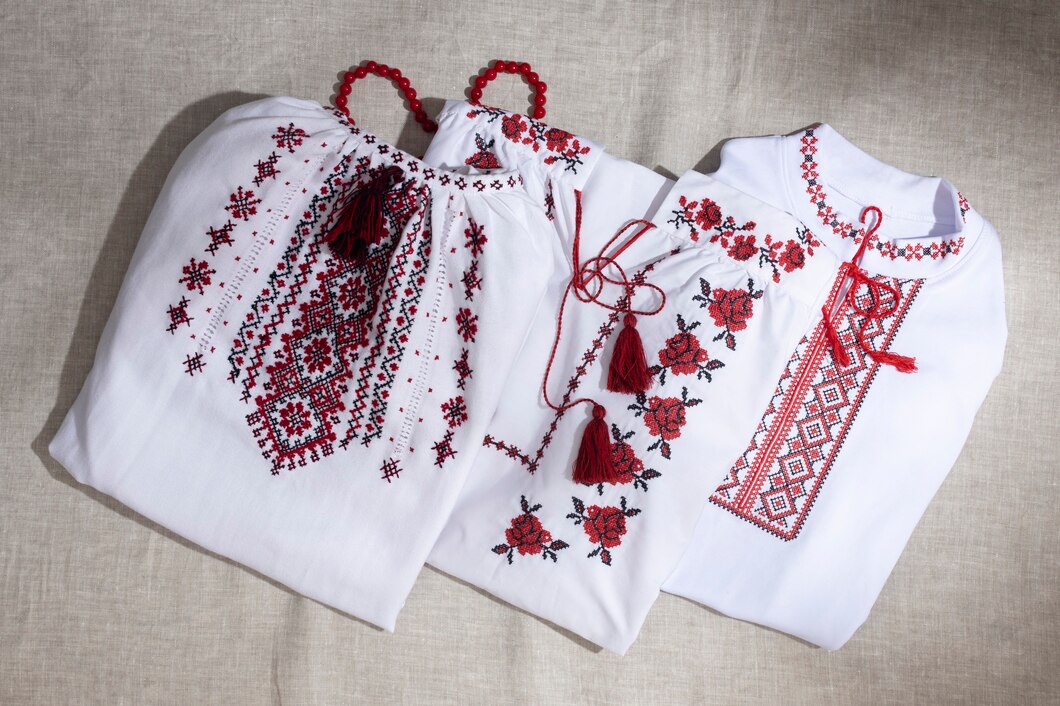
Clothing printing and embroidery are essential components of modern apparel manufacturing, especially for private label brands, fashion startups, and large-scale exporters. In Egypt, factories offer a wide range of customization techniques that allow brands to differentiate their products while maintaining competitive production costs.
This guide provides a practical breakdown of printing and embroidery services in Egypt, including techniques, pricing structures, MOQ requirements, and how these processes impact production efficiency and product quality.
Why Printing and Embroidery Matter in Apparel Manufacturing
Customization is no longer optional—it is a key driver of brand identity and product value.
- Enhances brand recognition
- Increases perceived product value
- Allows product differentiation
- Supports private label branding strategies
However, poor execution in printing or embroidery can damage both quality and brand reputation.
Types of Clothing Printing Techniques in Egypt
1. Screen Printing
- Most common printing method
- Suitable for large quantities
- Cost-effective for simple designs
Screen printing delivers durable results but requires setup costs, making it less efficient for small orders.
2. Heat Transfer Printing
- Ideal for small batch production
- Fast application process
- Suitable for complex designs
This method is commonly used for startups and low MOQ production.
3. Digital Printing (DTG)
- High detail and color accuracy
- No setup cost
- Best for small orders and samples
DTG is more expensive per unit but offers flexibility in design.
4. Sublimation Printing
- Used mainly for polyester fabrics
- Excellent color durability
- Common in sportswear production
Sublimation is widely used for activewear and performance garments.
Embroidery Techniques in Egypt
1. Flat Embroidery
- Standard embroidery method
- Suitable for logos and branding
- Clean and professional appearance
2. 3D Puff Embroidery
- Raised embroidery effect
- Used for caps and premium branding
- Higher cost than flat embroidery
3. Appliqué Embroidery
- Combines fabric layers with stitching
- Used for decorative designs
- Common in fashion and sportswear
MOQ Requirements for Printing and Embroidery
MOQ depends on the technique used and factory capabilities.
- Screen printing: 100 – 300 pieces minimum
- Digital printing: 20 – 100 pieces
- Embroidery: 50 – 200 pieces
Higher quantities significantly reduce unit cost due to setup cost distribution.
Detailed MOQ insights:
Egypt Clothing Manufacturers MOQ Pricing Guide
Pricing Structure for Printing and Embroidery
Customization cost varies depending on design complexity and technique.
- Screen printing: $0.5 – $2 per print
- Heat transfer: $0.5 – $1.5
- DTG printing: $2 – $5
- Embroidery: $1 – $3+
Cost drivers include:
- Number of colors
- Print size
- Stitch count (for embroidery)
- Order quantity
How Printing and Embroidery Affect Production
Customization processes directly impact production timelines and efficiency.
- Increase production time for complex designs
- Require additional quality control steps
- Affect fabric handling and finishing
Proper planning ensures smooth integration into production workflow.
Fabric Considerations for Printing and Embroidery
Not all fabrics behave the same with customization techniques.
- Cotton: best for screen and DTG printing
- Polyester: ideal for sublimation
- Blends: require testing for print quality
- Heavy fabrics: better for embroidery
Choosing the wrong fabric leads to poor print durability and quality issues.
Quality Control in Printing and Embroidery
Factories implement quality checks to ensure consistency.
- Color matching verification
- Print durability testing
- Embroidery alignment checks
- Washing and shrinkage tests
Quality control is critical for export-ready production.
Printing vs Embroidery: Which Should You Choose?
- Printing: lower cost, suitable for large designs
- Embroidery: premium look, durable branding
Your choice depends on product positioning and target market.
Common Mistakes in Apparel Customization
- Choosing wrong printing method for fabric
- Ignoring MOQ requirements
- Overcomplicating design
- Skipping sample approval
These mistakes increase cost and reduce product quality.
How to Optimize Printing and Embroidery Costs
To control customization costs:
- Simplify design and reduce colors
- Increase order quantity
- Use suitable fabrics for chosen technique
- Work with experienced manufacturers
Cost optimization should not compromise brand quality.
Integration with Private Label Manufacturing
Printing and embroidery are core elements of private label production.
- Brand logos and identity
- Custom packaging and labeling
- Product differentiation
Start here:
Private Label Clothing Egypt Manufacturing Guide
Choosing the Right Manufacturer
Selecting the right factory ensures consistent quality and efficient production.
- Experience with your chosen technique
- Quality of previous work
- Communication and responsiveness
- Export experience
Start supplier selection here:
Find Reliable Women's Clothing Manufacturer Egypt
Why Work With La Reine
La Reine provides professional printing and embroidery solutions integrated with full apparel manufacturing services.
- Multiple printing and embroidery techniques
- High-quality finishing standards
- Flexible MOQ options
- Export-ready production workflow
Start Your Custom Apparel Production
If you are planning to manufacture customized clothing in Egypt, choosing the right printing and embroidery strategy is essential for brand positioning and product quality.
Request a quote to receive pricing, MOQ options, and production timelines tailored to your collection.
0 Comments